

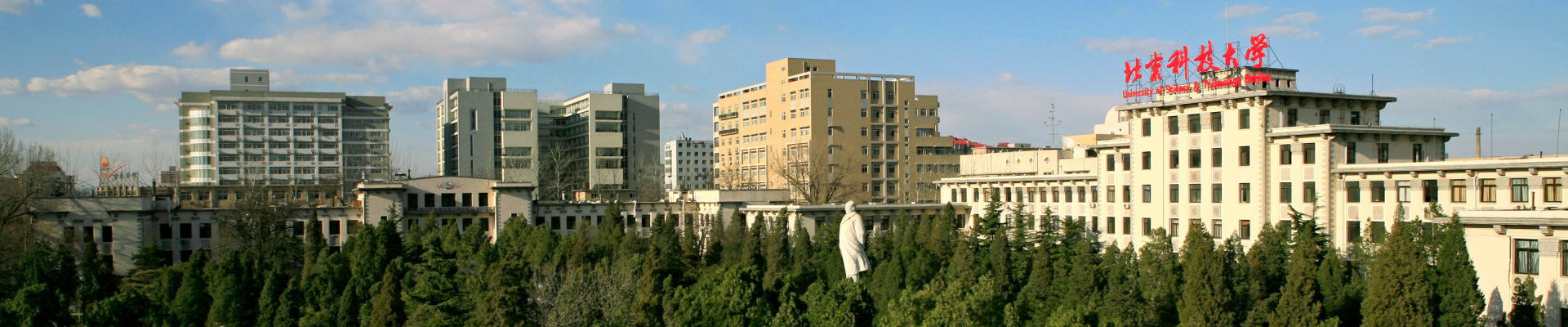
学校历来重视人文素质与美育工作,1984年设置社会科学及其文学艺术研究室,1995年成立艺术教育中心,2015年4月成立大学生素质教育中心实体化筹备组,推进实体化建设工作,2016年11月正式成立人文素质教育中心,直属北京科技大学。中心整合了学校学生处、团委、文法学院、马克思主义学院、外国语学院、经管学院、机械学院工业设计系、冶金与生态工程学院以及冶金与材料史研究院等相关单位的素质教育资源,下设文史教研室、美育教研室、国学与现代社会教研室、创新与交际教研室。
自成立以来,中心以习近平新时代中国特色社会主义思想为指导,全面贯彻党的教育方针,落实立德树人根本任务,积极践行“五育并举”。在师资队伍建设、人才培养、学科建设、资源平台等方面做出了一系列改革创新举措,取得一定成效。教学团队113人,其中美育教师56人、文学教师26人、史学教师21人、哲学教师10人。聘请北京大学、中央美术学院、中国音乐学院、中国戏曲学院、中央民族乐团等兼职教授12人,其中包括北京市教学名师2人、教育部新世纪优秀人才3人。建构“钢翕铸新 艺工融合”美育育人体系。构建了“四位一体 一体两翼”人文素质课程体系,开设人文素质类选修课程244门,优化拓展了“八位一体 一体六艺”美育课程体系,开设美育课程128门,其中美育必选课(音乐鉴赏、舞蹈鉴赏、绘画鉴赏等)82门,形成了多学科融合、协同育人机制、多元浸润路径的人才培养模式。
中心积极开展有组织科研,拓展校内外学术资源。团队教师近五年承担科研项目,其中国家级20余项、省部级50余项。发表学术论文100余篇,出版教材、专著30余部。教师团队荣获第十九届“挑战杯”全国大学生学术科技竞赛“人工智能+”专项赛特等奖、全国第七届大学生艺术展演活动高校美育改革创新优秀案例一等奖、北京市学校美育科研论文一等奖、北京高校青年教师教学基本功比赛一等奖、学校教育教学成果奖特等奖等荣誉。
为了更好地完成美育教学成果转化,中心于2020年成立北京科技大学人文乐团,依托国家大学生文化素质教育基地等10个平台,以“出精品、建品牌、强实践”为目标,重点推进美育实践教学。设立“美育名师工作室”“美育工作坊”,开展“星期三书画展”“星期四人文讲座”“星期五人文音乐会”等品牌活动,全方位支撑学校美育工作的建设与发展。面向未来,人文素质教育中心将依托学校深厚的工科文化底蕴,主动服务国家文化繁荣与人才培养战略需求,培养更多兼具科学精神、人文情怀与审美能力的复合型人才,为建设特色鲜明、国内一流、国际知名的高水平研究型大学贡献力量!
University of Science and Technology Beijing has always attached great importance to the cultivation of humanistic literacy and aesthetic education. In 1984, it established a research office for social sciences, literature and art; in 1995, the Art Education Center was founded; in April 2015, a preparatory group for the physical establishment of a University Student Quality Education Center was set up to advance its formalization; and in November 2016, the Humanistic Quality Education Center was officially inaugurated, directly affiliated with the university.
The center integrates quality-education resources from the Student Affairs Office, the Communist Youth League Committee, the School of Humanities and Law, the School of Marxism, the School of Foreign Languages, the School of Economics and Management, the Industrial Design Department of the School of Mechanical Engineering, the School of Metallurgical and Ecological Engineering, and the Institute for the History of Metallurgy and Materials. It comprises four teaching and research sections: Literature and History, Aesthetic Education, Chinese Classics and Modern Society, and Innovation and Communication.
Guided by Xi Jinping Thought on Socialism with Chinese Characteristics for a New Era, the Center fully implements the Party’s educational policy, fulfills the fundamental task of fostering virtue through education, and actively practices the “fivefold education”. It has introduced a series of innovative reforms in faculty development, talent cultivation, discipline building, and resource platforms, achieving notable results.
The Center has a teaching staff of 113, including 56 instructors in aesthetic education, 26 in literature, 21 in history, and 10 in philosophy. Twelve adjunct professors are invited from Peking University, the Central Academy of Fine Arts, the China Conservatory of Music, the National Academy of Chinese Theatre Arts, the China National Traditional Orchestra, among others; two are Beijing Distinguished Teachers and three are recipients of the Ministry of Education’s “New-Century Excellent Talents” award.
It has built a three-dimensional “Steel-Nurtured, Art-Engineering Integrated” aesthetic-education system and a “four-in-one, one-body-two-wings” humanistic-quality curriculum. The Center now offers 244 elective courses in humanistic quality and 128 courses in aesthetic education, 82 of which—such as Music Appreciation, Dance Appreciation, and Painting Appreciation—are compulsory for all students, forming an interdisciplinary, collaborative, and immersive talent-cultivation model.
The Center vigorously promotes organized research and expands academic resources both on and off campus. Over the past five years, faculty members have undertaken more than 20 national and over 50 provincial or ministerial research projects, published more than 100 academic papers, and produced over 30 textbooks and monographs. The teaching team has been awarded the Special Prize in the “AI+” section of the 19th “Challenge Cup” National Undergraduate Academic Science and Technology Contest, the First Prize for an Outstanding Case of University Aesthetic-Education Reform in the 7th National University Student Art Exhibition, the First Prize for Beijing School Aesthetic-Education Research Paper, the First Prize in the Beijing University Young Teacher Teaching Skills Competition, and the Special Prize of the University’s Education and Teaching Achievement Award.
To better translate aesthetic education achievements into practice the Center established the Beijing University of Science and Technology Humanistic Orchestra in 2020. Building on ten platforms including the National Cultural Quality Education Base for University Students it pursues the goals of creating masterworks building brands and strengthening practice with emphasis on hands on aesthetic teaching. Dedicated Master Teacher Studios and Aesthetic Workshop Labs have been set up and signature series such as Wednesday Painting and Calligraphy Exhibitions Thursday Humanities Lectures and Friday Humanities Concerts are held regularly providing full support for the University’s aesthetic education program.
Looking forward the Humanistic Quality Education Center will draw on the University’s rich engineering culture actively serve national strategies for cultural prosperity and talent development and cultivate more interdisciplinary graduates who combine scientific spirit humanistic concern and aesthetic sensibility thus contributing to the building of a distinctive nationally top tier and internationally renowned high level research university.